How Ordinary Homes Are Transformed into Film Production Sets
Have you ever watched a blockbuster film and marvelled at the stunning, meticulously designed interiors? Often, those are not purpose-built studio soundstages; they are real, everyday properties. When production teams hire a house for filming, they undertake an extraordinary logistical and creative process to turn a domestic space into a tightly controlled working environment.From laying down protective flooring to reimagining the interior design, transforming an ordinary property into a professional film location house is a fascinating journey. It requires careful planning, deep respect for the property, and seamless coordination. Here is exactly how an everyday home is readied for the spotlight.
The Initial Location Scout and Technical Recce
Before a single production camera arrives, the property must pass a rigorous assessment. Finding homes for filming is only the beginning. A scout initially visits to ensure the aesthetic matches the director’s vision, but the real logistical planning happens during the technical recce.
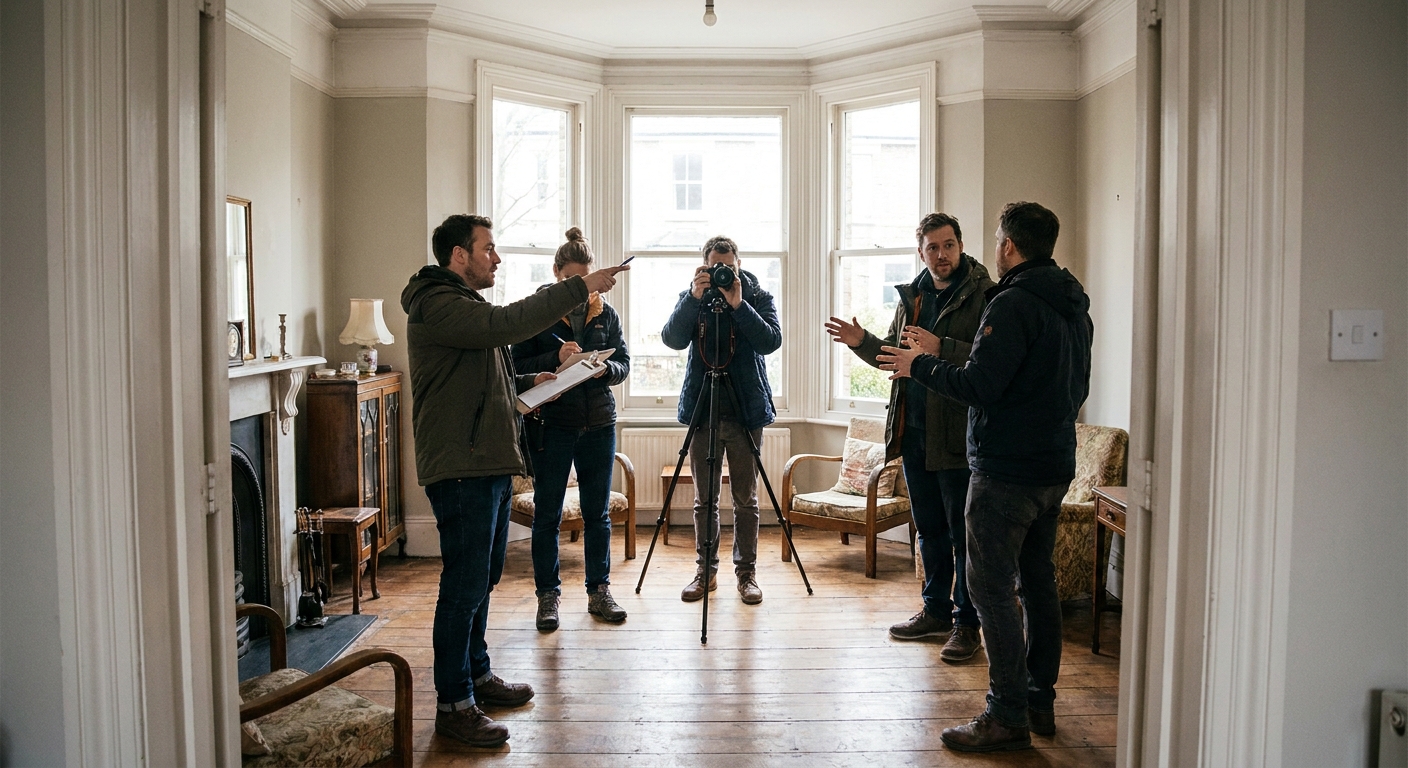
During a technical recce, key heads of department, including the director, director of photography, production designer, and location manager, visit the property. They need to understand how the space functions and what challenges it might present.
Key considerations include:
Assessing space for the crew, as a television drama can bring up to fifty people.
Evaluating natural light and deciding where heavy equipment will be positioned outside windows.
Mapping out safe holding areas for actors, often situated in spare bedrooms or garages.
Reviewing parking availability for technical vehicles and planning equipment delivery routes.
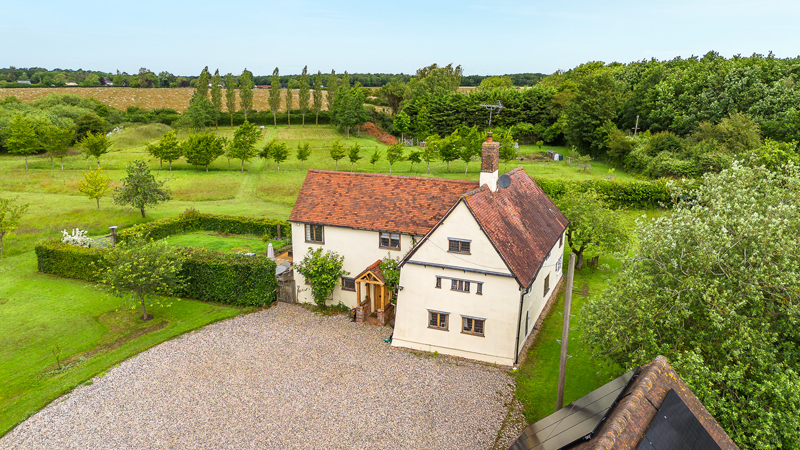
A typical residential property being meticulously prepared for a large-scale film production.
Preparing and Protecting the Property
Once contracts are signed, the first step on site is protection. Film crews carry heavy equipment, and protecting the property is the location manager’s highest priority.
Before anything is brought inside, the team lays down heavy-duty protective floor coverings. Products like Correx (corrugated plastic) or Ram Board are taped over hard floors, while carpet protector films cover softer surfaces. Door frames and corners are padded with foam guards to prevent accidental bumps from light stands.
If the homeowner’s furniture does not fit the brief, it is inventoried, photographed, and moved to secure storage or an unused room. This blank canvas allows the art department to completely overhaul the visual aesthetic without risking damage to personal belongings.
The Art of Dressing and Lighting
With the property protected, the transformation truly begins. The home is handed over to the creative teams.
🎨
Set Dressing
The art department brings in bespoke furniture, artwork, and props to match the character. They might apply temporary wallpaper, change curtains, or install false walls to alter a room completely.
💡
Technical Lighting
Cinematographers rarely rely on standard lighting. Heavy stands are rigged outside windows, sometimes using cherry pickers, to simulate sunlight. Inside, blackout tents mimic nighttime during daytime shoots.
⚡
Power Distribution
Film lighting draws far more power than a standard domestic circuit handles. A silent generator is usually parked nearby, with thick cables running safely into the house to power the setups independently.
Managing the Filming Day
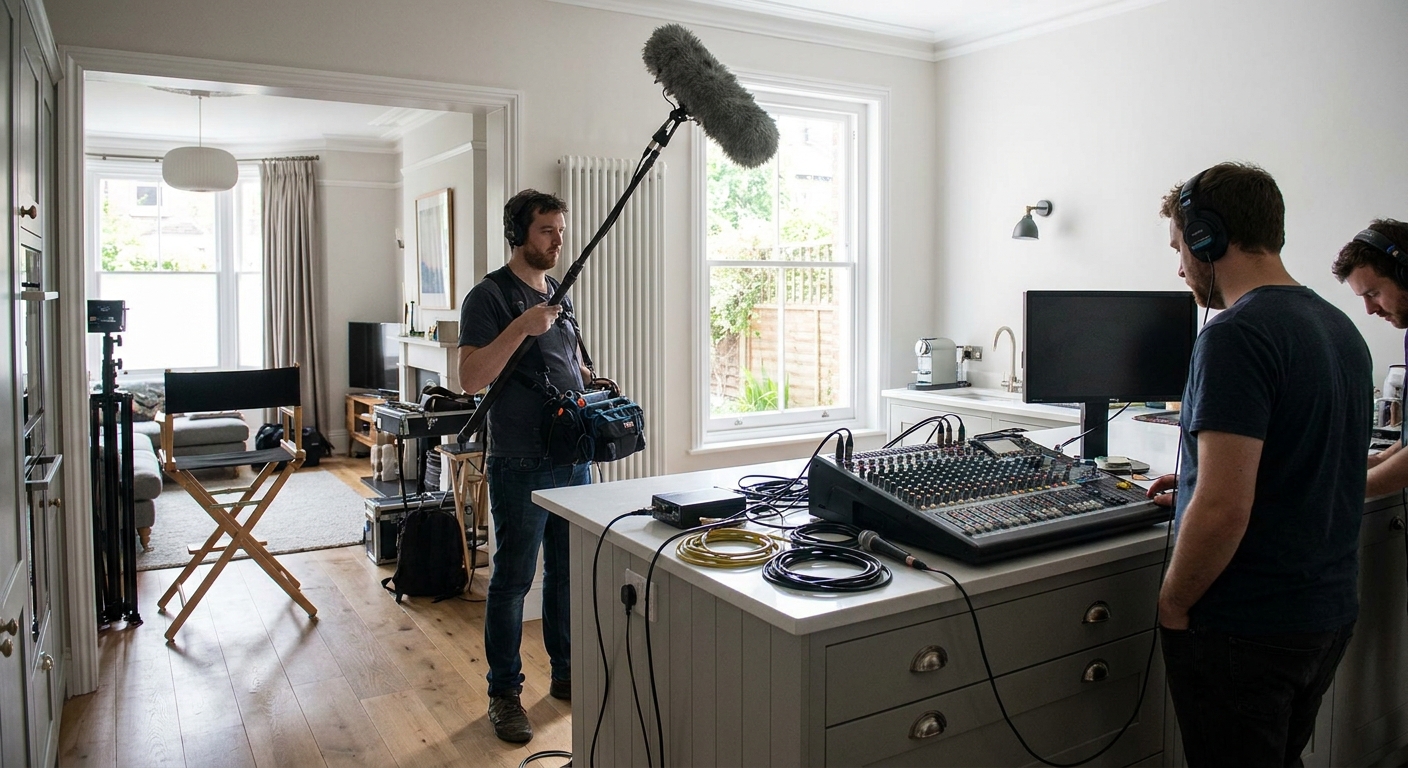
On shoot day, the property temporarily ceases to be a home and functions entirely as a set. The crew follows a strict schedule, operating in a systematic manner. Communication is managed via radios, and access is tightly restricted to essential personnel only.
While it can look chaotic with equipment filling every corner, it is actually a highly orchestrated operation. A dedicated location manager remains on site to ensure the property is respected and guidelines are followed.
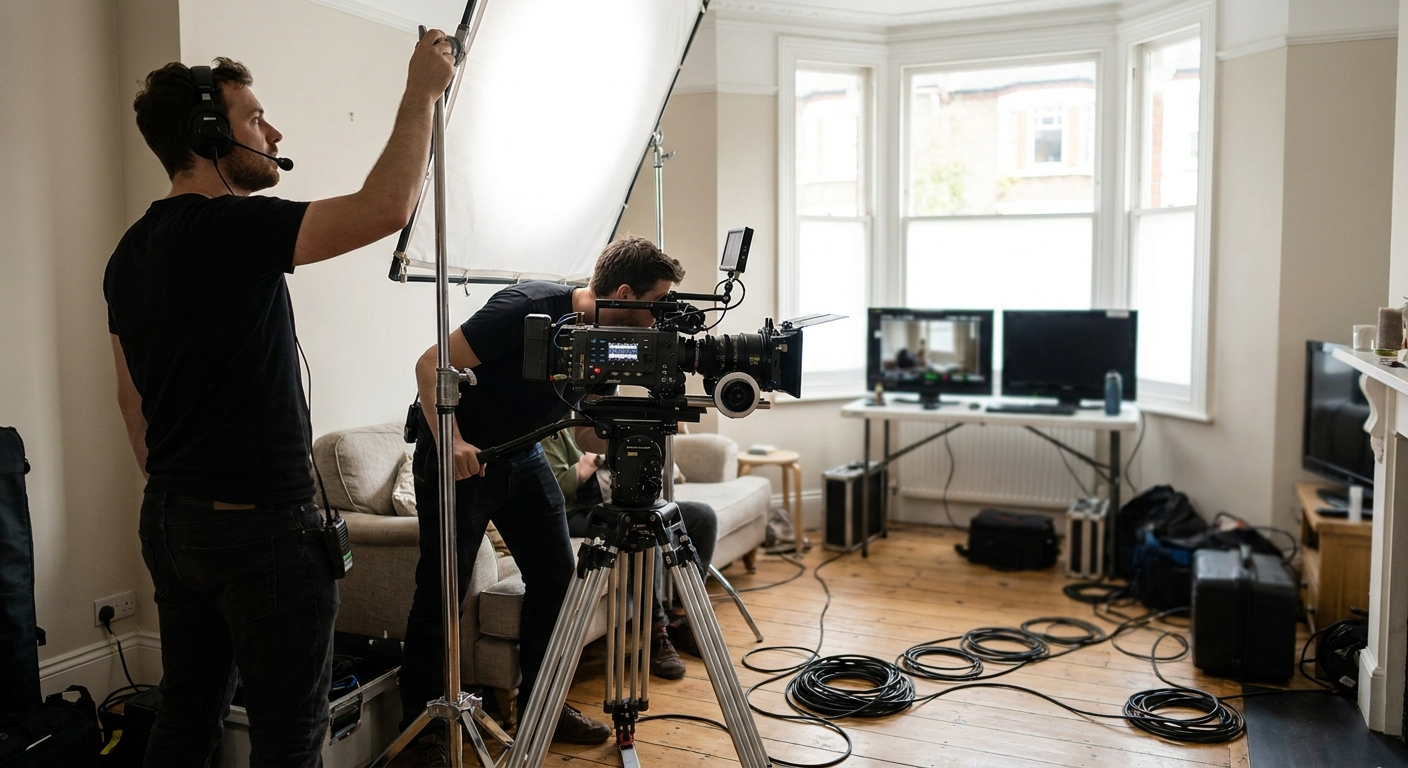
Professional technical equipment carefully positioned to capture a complex interior scene.
The Restoration Process
When the director calls a wrap, the crucial reinstatement process begins immediately. This is arguably the most important phase for anyone offering their home as a location. The art department carefully removes their props, dismantles temporary decorations, and returns the homeowner’s original furniture to its exact position using the detailed reference photographs taken on day one.
Finally, the protective floor covering is carefully lifted, and a professional cleaning team arrives. The ultimate goal across all production locations UK wide is to leave the property in exactly the same condition as it was found.
Why Location Agencies Make the Difference
Navigating the fast-paced world of professional film production can be overwhelming for a first-time host. This is where an experienced location agency steps in. Rather than dealing with complex contracts and location managers directly, property owners can rely on an agency as their advocate.
💡 Tip: A reputable location agency protects your interests, ensuring that adequate public liability insurance is firmly in place, securing damage deposits, and negotiating fair usage fees before any crew arrives.
Agencies like Creative Location bridge the gap between production companies and homeowners. They proactively market your property to industry professionals, thoroughly vet incoming productions, and provide essential guidance throughout the entire process, ensuring your experience hosting a film crew is stress-free.
Ready to Offer Your Home as a Location?
If you want to see your property on screen and generate extra income, we are always looking for unique spaces. Reach out to register your property with Creative Location today and join our exclusive portfolio of properties.
Securing an ideal commercial shoot location requires more than aesthetic appeal. Before agreeing to hire a filming location, asking the right questions is vital. This approach prevents delays, costs, and compromises. Here are ten questions producers ask. 1. Does the Space Offer Creative Suitability and Shootable Angles? A location might look stunning in a portfolio, …
Brand activations have become one of the most powerful ways for companies to meet their audiences in real life. As consumers spend more time discovering products through creators, athletes and online communities, brands are looking beyond conventional advertising and creating experiences people can attend, film and share. The concept may begin with a campaign …
Before you finalise contracts and begin moving heavy equipment into a property, conducting a thorough technical recce is absolutely essential. A production location recce is an extensive site visit undertaken by key crew members—typically the director, director of photography, production designer, and location manager—to assess a site’s logistical, technical, and creative viability. If you are …